
Starting Fresh in Toronto: Top Neighbourhoods, Job Markets & Transit Tip
Toronto is often the first destination for newcomers arriving in Canada — and it’s easy to understand why. As the country’s largest city and economic hub, Toronto offers unmatched diversity, professional opportunities, and settlement support. But navigating life in a new country — and a complex city like Toronto — requires more than just a landing plan.
Whether you’re arriving on a work permit, study permit, or as a new permanent resident, this guide provides a practical overview of where to live, how to work, how to get around, and what to explore as you build your new life in Toronto.
Top Neighborhoods for Newcomers
Toronto is made up of multiple districts and boroughs, each with its own character, lifestyle, and cost of living. Where you settle depends on your goals, family needs, and budget. Here are some areas commonly chosen by newcomers:
Scarborough
A multicultural area with strong community networks, schools, and more affordable housing options. Scarborough is ideal for families and offers good access to public transit and essential services.
North York
Home to many newcomers, North York offers a balance of residential living and commercial activity. It’s well connected by subway, and close to universities, hospitals, and business centres.
Etobicoke
Located west of downtown, Etobicoke is quieter and more suburban, with access to parks, lakeside trails, and larger housing options. It’s ideal for families or individuals seeking space and a slower pace.
Downtown Core
For professionals or students looking to be in the centre of it all, downtown offers proximity to jobs, schools, and nightlife — though at a premium price. Expect smaller units and a faster pace of life.
Employment & Industry Overview
Toronto is the economic engine of Canada and home to some of the country’s largest employers. Newcomers will find opportunities across many industries, including:
Finance and banking
Information technology and software development
Healthcare and medical services
Construction and skilled trades
Education and childcare
Customer service and hospitality
Depending on your profession, you may need credential assessments, licensing, or Canadian experience. There are many newcomer-focused employment agencies in Toronto that offer resume assistance, job placement support, and industry-specific guidance.
Public Transit in Toronto
Getting around Toronto is straightforward thanks to the city’s transit system, managed by the Toronto Transit Commission (TTC). The system includes:
Subways (4 lines): Fast and reliable service connecting key parts of the city.
Buses and Streetcars: Reach areas not covered by the subway.
GO Transit: A regional network connecting Toronto to nearby cities like Mississauga, Brampton, Markham, and Oshawa.
Most riders use a PRESTO card, which works across all systems and can be reloaded online or in-person. A monthly adult TTC pass costs around $156, making it a good option for daily commuters.
Things to Do in Toronto
Toronto isn’t just a place to work and live — it’s a city full of world-class attractions, green spaces, and cultural landmarks. As a newcomer, exploring your city is part of the settlement process. Here are some top destinations:
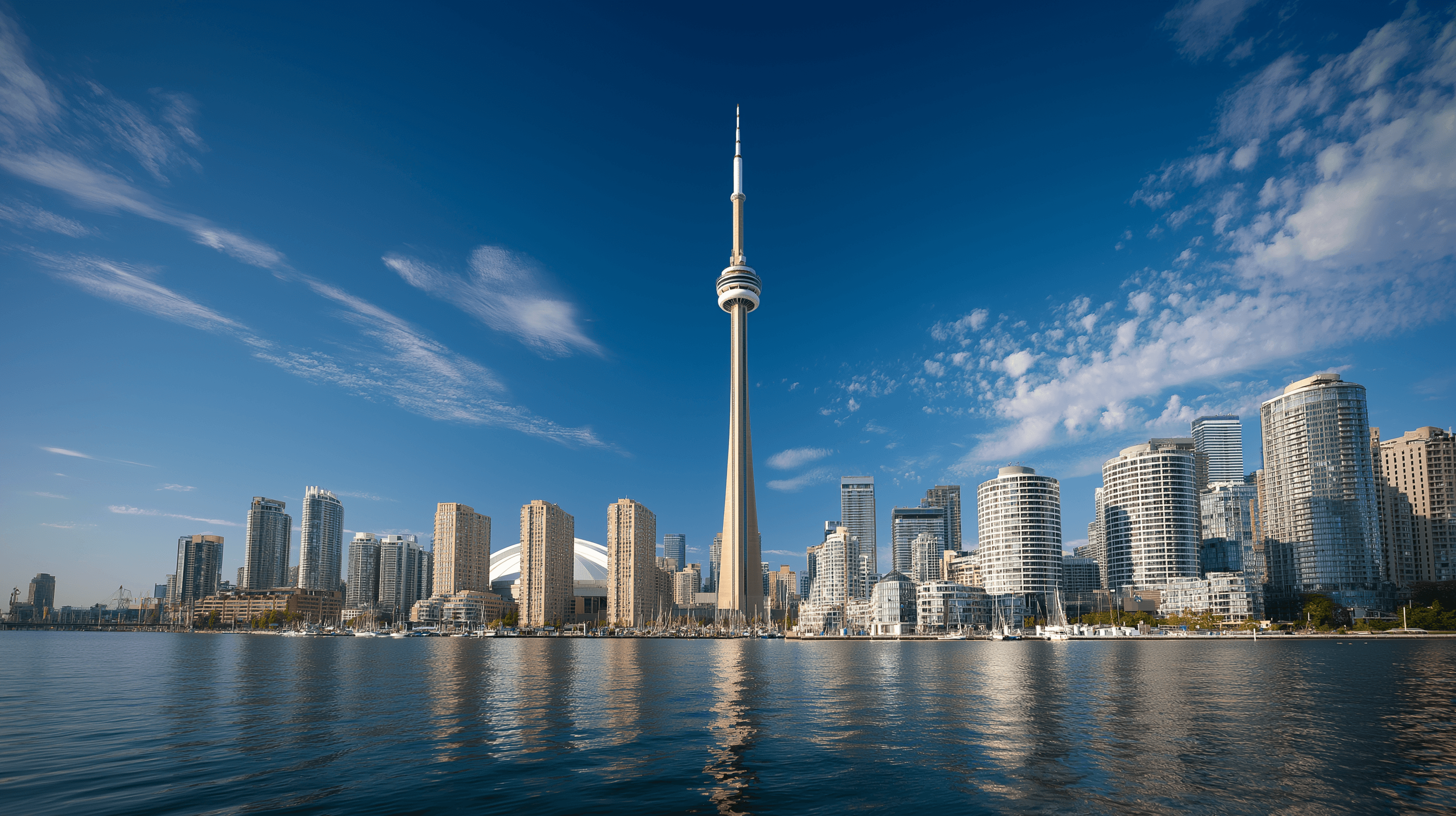
CN Tower
One of Canada’s most iconic landmarks. Take in 360-degree views of the city or try the EdgeWalk for a unique experience.
Royal Ontario Museum (ROM)
A leading cultural destination with exhibits in natural history, world cultures, and the arts. Great for families or solo visits.
Toronto Islands
A short ferry ride from downtown, the islands are perfect for a weekend escape with beaches, trails, and skyline views.
Distillery District
A historic area featuring preserved Victorian architecture, galleries, artisan shops, and seasonal events.
High Park
Toronto’s largest park — ideal for walking, biking, or enjoying nature. It includes a zoo, playgrounds, and picnic areas.
Eaton Centre
A major shopping centre in the heart of the city with over 200 stores and access to Toronto’s underground PATH system.
Diverse Food Scene
Toronto is known for its international cuisine. Explore neighbourhoods like Chinatown, Little Italy, Greektown, and Gerrard India Bazaar for authentic dining from around the world.
Cost of Living: What to Expect
Toronto is one of the most expensive cities in Canada, and planning your finances is key:
Housing: 1-bedroom apartment downtown – approx. $2,300/month; outside core – $1,800–$2,000
Transit: Monthly TTC pass – approx. $156
Groceries: $300–$500/month per person
Childcare: Varies widely, from $800–$1,500/month per child
Newcomers should consider starting with shared housing or living slightly outside the downtown core to reduce expenses.
What Newcomers Should Know
Apply for your Social Insurance Number (SIN) as soon as you arrive. It’s required to work in Canada.
Check your eligibility and apply for OHIP (Ontario Health Insurance Plan).
Use trusted platforms like ViewIt, Rentals.ca, or PadMapper to find rental listings.
Register with newcomer settlement agencies for support with resumes, language training, and job placement.