Starting Fresh in British Columbia: Where to Live, Work, and Thrive as a Newcomer
British Columbia is one of Canada’s most desirable provinces to live in — offering a balanced lifestyle, strong economy, and breathtaking natural surroundings. With its mild climate, growing job market, and supportive settlement infrastructure, BC continues to attract newcomers from around the world looking to build stable, long-term futures in Canada.
Whether you’re arriving on a work permit, as a student, or through a permanent residency pathway, here’s what you should know before starting your life in BC.
Top Cities in BC for Newcomers
British Columbia has several cities that are ideal for newcomers — depending on your career goals, housing needs, and lifestyle preferences.
Vancouver
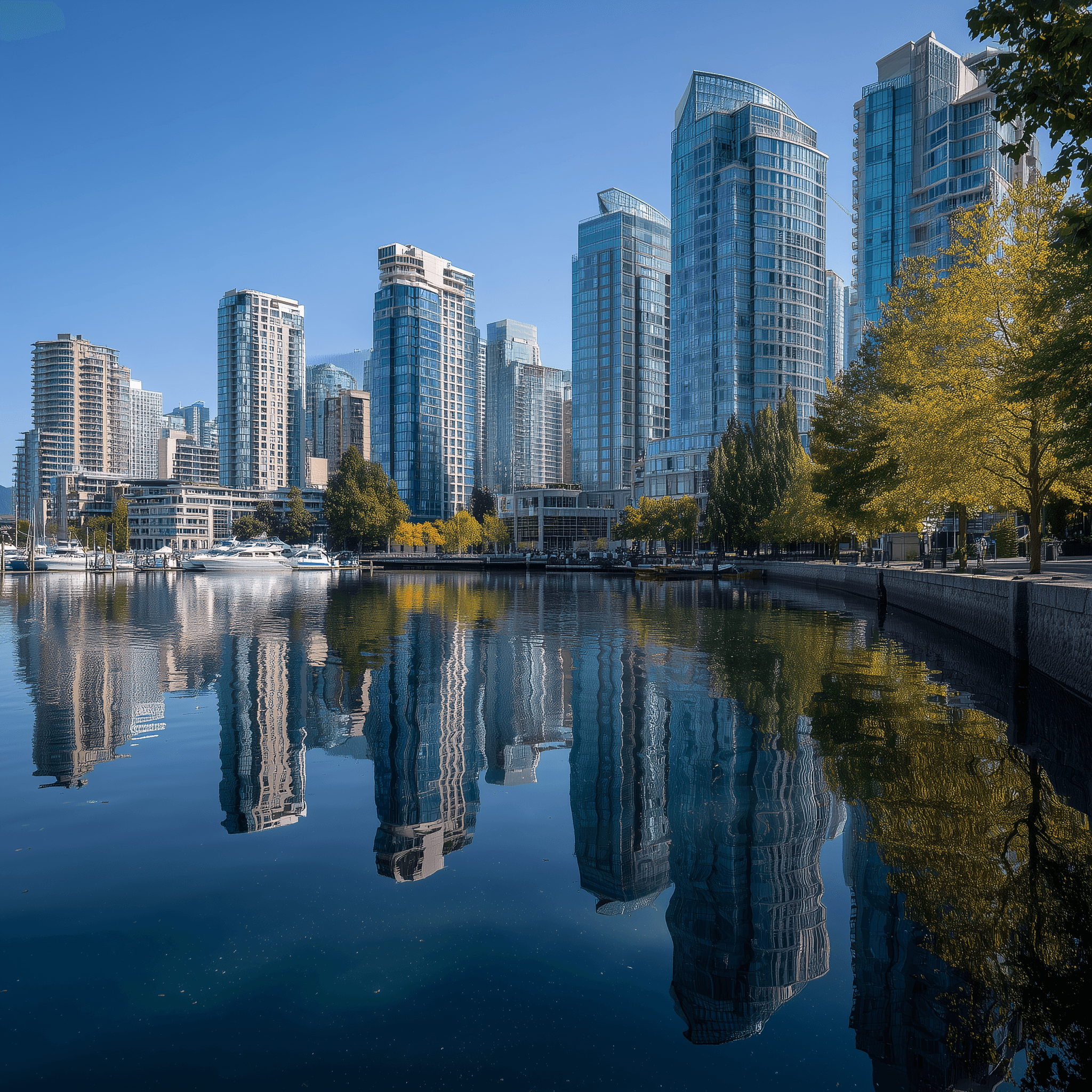
The province’s largest and most well-known city. Vancouver is a global hub for tech, film, business, and tourism. It’s diverse, fast-paced, and connected — but also one of the most expensive cities in Canada. Best suited for professionals or students with higher budgets.
Surrey
One of the fastest-growing cities in Canada, Surrey is more affordable than Vancouver and home to a large immigrant population. It has excellent schools, transit access, and a growing economy — ideal for families and skilled workers.
Burnaby
Located next to Vancouver, Burnaby offers access to top employers, post-secondary institutions like SFU, and vibrant multicultural communities. It’s a great mix of urban convenience and residential living.
Victoria
The capital of British Columbia, located on Vancouver Island. A quieter, slower-paced lifestyle with opportunities in public administration, tourism, and education. Popular with both young families and retirees.
Kelowna
A rapidly growing city in the Okanagan Valley, known for its tech industry, wineries, and quality of life. More affordable than the Lower Mainland and ideal for those seeking a balance between career and nature.
Employment & Industries in British Columbia
British Columbia has a diverse economy and a strong demand for skilled workers across several sectors. In many cities, employers are actively seeking newcomers to fill critical roles.
Top industries include:
Technology and Software Development
Healthcare and Nursing
Construction and Skilled Trades
Tourism and Hospitality
Education and Early Childhood Care
Forestry and Natural Resources
Film and Digital Media
If you’re applying through the Provincial Nominee Program (BC PNP), your job offer must align with in-demand occupations. HR Immigration can assess your eligibility and manage the application process for you.
Public Transit and Getting Around
In Vancouver and surrounding areas, public transit is run by TransLink, which includes:
SkyTrain: Automated rapid transit system serving Vancouver, Burnaby, New Westminster, Surrey, and Coquitlam
Buses: Comprehensive network covering most communities
SeaBus: Ferry between downtown Vancouver and North Vancouver
West Coast Express: A commuter train for longer-distance travel
A Compass Card is used to pay for all transit services, and monthly passes range from $104 to $189 depending on the number of zones traveled.
Outside of Metro Vancouver, cities like Kelowna, Victoria, and Kamloops have their own local transit systems.
Things to Do in British Columbia
BC is known for its natural beauty, outdoor lifestyle, and cultural offerings. Whether you’re spending a weekend exploring or settling into your new surroundings, here are some highlights:
Stanley Park (Vancouver)
One of the largest urban parks in North America — featuring walking trails, beaches, the Seawall, and the Vancouver Aquarium.
Whistler
A world-renowned ski and adventure destination just two hours from Vancouver. Also popular in the summer for hiking and mountain biking.
Butchart Gardens (Victoria)
A National Historic Site offering over 55 acres of floral displays and landscapes — a must-see for newcomers to Vancouver Island.
Granville Island
A cultural district with artisan markets, independent shops, waterfront views, and local food.
Grouse Mountain
Accessible from downtown Vancouver, Grouse offers skiing, snowboarding, hiking, and panoramic views of the city and coastline.
Okanagan Valley
Known for its wineries, lakefront beaches, and relaxed pace of life — perfect for weekend escapes or long-term relocation.
Cost of Living in BC
British Columbia is one of Canada’s more expensive provinces — particularly in the Lower Mainland. Here’s what you should plan for:
Housing: 1-bedroom in Vancouver – approx. $2,500/month; in suburbs or smaller cities – $1,700–$2,000
Transit: Monthly Compass Card – $104 to $189 depending on zones
Groceries: $350–$550/month per person
Childcare: $900–$1,500/month depending on location and age group
Newcomers often choose suburban areas or regional cities to balance affordability with opportunity.
Key Information for Newcomers
Apply for MSP (Medical Services Plan) as soon as you’re eligible
Set up a Canadian bank account and start building credit history
Register for free newcomer programs through organizations like MOSAIC, SUCCESS, or ISSofBC
If your first language is not English, consider taking ESL classes (often subsidized or free)