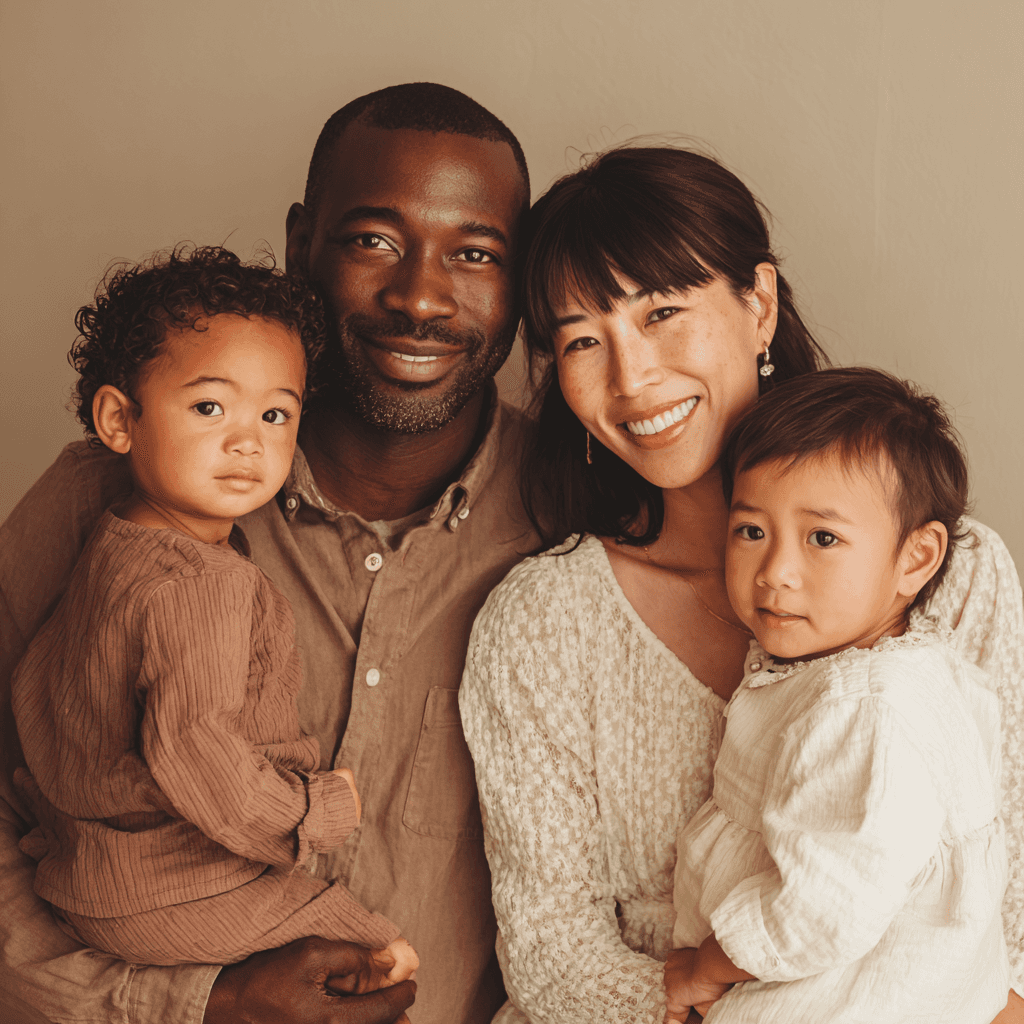
Bringing Your Family to Canada: A Guide for Permanent Residents
Canada believes in keeping families together — and its immigration system reflects that. If you’re a permanent resident or citizen, you may be eligible to sponsor close family members to join you in Canada permanently. Whether it’s your spouse, children, or parents, understanding the sponsorship process is key to a smooth and successful reunion.
This guide walks you through who can be sponsored, what to expect from the process, and how HR Immigration can support you every step of the way.
Who Can You Sponsor?
As a permanent resident, you may be eligible to sponsor your spouse or common-law partner, dependent children, and in some cases, your parents and grandparents. In rare and specific circumstances, other relatives may also qualify under certain provisions, though these cases are less common.
Each category of sponsorship comes with its own requirements, documentation, and legal undertakings. Ensuring you’re applying under the right stream — and with complete, accurate documents — is critical to avoiding delays or refusals.
Sponsoring Your Spouse or Partner
Spousal sponsorship is one of the most common and efficient ways to reunite with your loved one in Canada. You can sponsor a spouse, common-law partner (if you’ve lived together for at least 12 consecutive months), or a conjugal partner (if circumstances prevented you from living together but the relationship is long-standing and genuine).
There are two pathways: inland and outland sponsorship. Inland sponsorship is for couples already living together in Canada, and it may allow the sponsored partner to apply for an open work permit while the application is being processed. Outland sponsorship applies when the partner lives outside of Canada and offers the benefit of appeal rights in the event of a refusal.
A successful application must include detailed evidence of your relationship — from photographs and joint documents to communication records — to prove the authenticity of the partnership.
Sponsoring Dependent Children
You may also sponsor your biological or adopted children for permanent residence, as long as they are under the age of 22 and not married or in a common-law relationship. Children over the age of 22 may still qualify if they have a documented physical or mental condition that makes them dependent on you for support.
The process requires documentation proving the parent-child relationship, immigration status, and legal custody arrangements where applicable.
Sponsoring Parents and Grandparents
Canada offers a limited pathway each year for sponsoring parents and grandparents through the Parents and Grandparents Program (PGP), which typically operates through a lottery-based system. If selected, you’ll be required to meet a minimum income threshold for the previous three taxation years and agree to financially support your parents for 20 years.
For those who aren’t selected through the PGP, the Super Visa is an excellent alternative. It allows parents and grandparents to visit for extended periods — up to five years at a time — and is valid for 10 years. It doesn’t provide permanent residency but allows families to be together for long stretches while waiting for PGP openings.
Your Role as a Sponsor
Sponsoring a family member is both a privilege and a legal responsibility. You will be required to sign an undertaking — a binding agreement confirming that you will financially support the sponsored individual for a set period of time and ensure they do not need to rely on government assistance.
The length of this responsibility varies: for spouses, it’s three years; for children, up to 10 years or until they turn 22; and for parents or grandparents, it extends up to 20 years.
Avoiding Common Pitfalls
One of the most common reasons for sponsorship refusals is incomplete or inconsistent documentation. Failing to include relationship evidence, income proofs, or proper identification can result in significant delays — or worse, a denied application. Additionally, applicants sometimes misunderstand which stream to apply under, or they rely on unlicensed advisors or friends, leading to critical errors.
HR Immigration ensures your file is complete, accurate, and compliant with the latest IRCC guidelines. We also stay current with policy changes, so you’re never caught off guard by new requirements.
Reuniting Families Is What We Do
At HR Immigration, we know that family isn’t just important — it’s everything. For over 15 years, we’ve helped clients across the globe bring their loved ones home to Canada through tailored, compassionate, and strategic immigration services.
Whether you’re starting your first sponsorship application or need help responding to a previous refusal, we offer full legal representation, document preparation, and one-on-one guidance with a dedicated consultant who truly understands your case.
Let’s bring your family home.
Book your consultation today and let HR Immigration guide you every step of the way.